
Dental Braces: How They Work
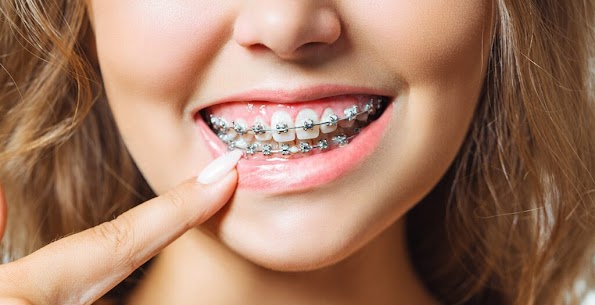
Straight Teeth Are Not Just Cosmetic
Yes, a well-aligned smile looks better. But the real reasons orthodontists recommend braces go deeper:
- Crowded or overlapping teeth trap food and plaque in places a toothbrush cannot reach, increasing cavity and gum disease risk
- Bite misalignment (overbite, underbite, crossbite) distributes chewing forces unevenly, wearing down certain teeth faster and straining the jaw joint
- Gaps between teeth allow neighbouring teeth to drift over time, destabilising the entire arch
Braces solve a structural problem. The cosmetic improvement is a welcome side effect.
How Braces Actually Move Teeth
It feels slow from the outside, but beneath the surface the biology is precise. Here is what happens:
- Brackets are bonded to each tooth, and an archwire connects them. The wire applies gentle, continuous pressure in a specific direction.
- Bone remodelling begins — On the pressure side, bone cells called osteoclasts dissolve bone to make room. On the opposite side, osteoblasts build new bone to fill the gap left behind.
- The tooth shifts through its socket, typically 0.5–1 mm per month. This is why treatment takes months, not weeks — the bone needs time to rebuild safely.
- Periodic adjustments change the wire or add elastics to redirect forces as teeth reach new positions.
This controlled cycle of breakdown and rebuilding is why consistent appointment attendance matters. Skipping adjustments stalls progress.
Types of Braces Available
Traditional Metal Braces
The most common and cost-effective option. Modern metal brackets are smaller and more comfortable than older designs. They handle complex cases — severe crowding, significant bite correction — better than any alternative.
Ceramic Braces
Same mechanics as metal, but with tooth-coloured or clear brackets that blend with your enamel. Popular with adults and teens who want less visible hardware. Slightly more fragile, so they require careful maintenance.
Self-Ligating Braces
Use a built-in clip instead of elastic bands to hold the wire. This reduces friction, can shorten appointment times, and may mean fewer adjustments overall.
Lingual Braces
Placed on the inner surface of your teeth — completely invisible from the outside. Ideal for professionals or patients who need full orthodontic correction without any visible appliance. Requires specialised skill to fit and adjust.
Dr. Bharti Bhadoria evaluates each case individually. The choice depends on the complexity of your alignment, your lifestyle, and your aesthetic priorities.
What to Expect During Treatment
The First Week
Your teeth and gums will feel sore as they adjust to the pressure. This is normal and usually subsides within 5–7 days. Soft foods, cold drinks, and over-the-counter pain relief help during this period.
Monthly Adjustments
Each visit takes 15–30 minutes. The wire is adjusted or replaced, elastics are updated, and progress is assessed. You may feel renewed tightness for a day or two after each adjustment.
Oral Hygiene with Braces
This is non-negotiable. Brackets create extra surfaces where plaque accumulates. You will need to:
- Brush after every meal (an interdental brush is essential for cleaning around brackets)
- Floss daily using a floss threader or orthodontic floss
- Avoid hard, sticky, and crunchy foods that can break brackets or bend wires
Treatment Duration
Most cases take 12 to 24 months. Complex cases involving jaw correction may extend to 30 months. Dr. Bhadoria provides a realistic timeline during your initial consultation — no vague promises.
After the Braces Come Off
Removing braces is not the finish line — it is a transition. Without retention, teeth naturally drift back toward their original positions. You will receive:
- A retainer (fixed wire behind the teeth or a removable tray) to hold the new alignment
- A retention schedule — typically full-time for the first few months, then nights only
- Follow-up checks to confirm the result is holding
Is It Worth It?
Patients often say the same thing once their braces come off: they wish they had started sooner. The months of adjustment are temporary. The result — a stable bite, easier cleaning, reduced wear, and a confident smile — is permanent.
At Enbite Multi-speciality Dental Studio in Akota, Vadodara, Dr. Bharti Bhadoria combines diagnostic imaging with personalised treatment planning to move your teeth precisely where they need to be, at a pace your bone can safely sustain.
Once your braces come off, professional whitening can brighten your new smile. If misalignment has caused jaw clicking or headaches, read about TMJ signs to watch for. For younger patients, starting dental habits early makes orthodontic treatment simpler later. View all treatments available at Enbite or meet Dr. Bharti Bhadoria. Book your orthodontic consultation today.